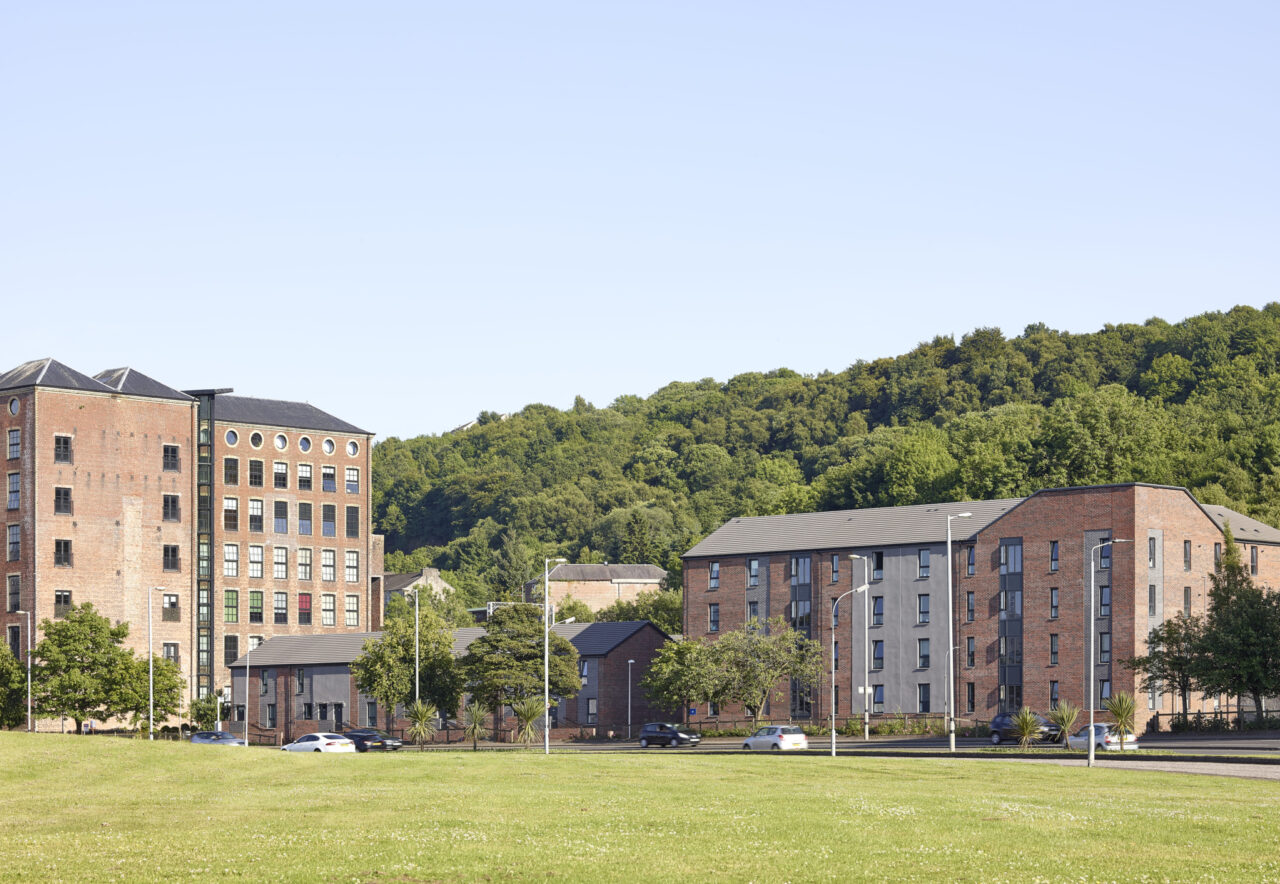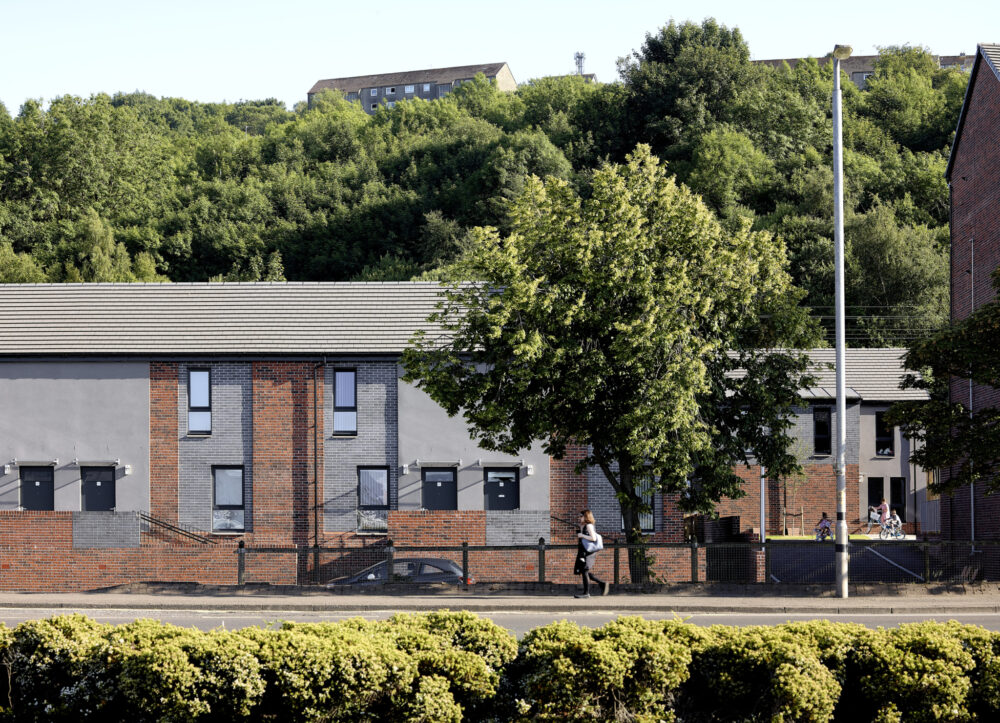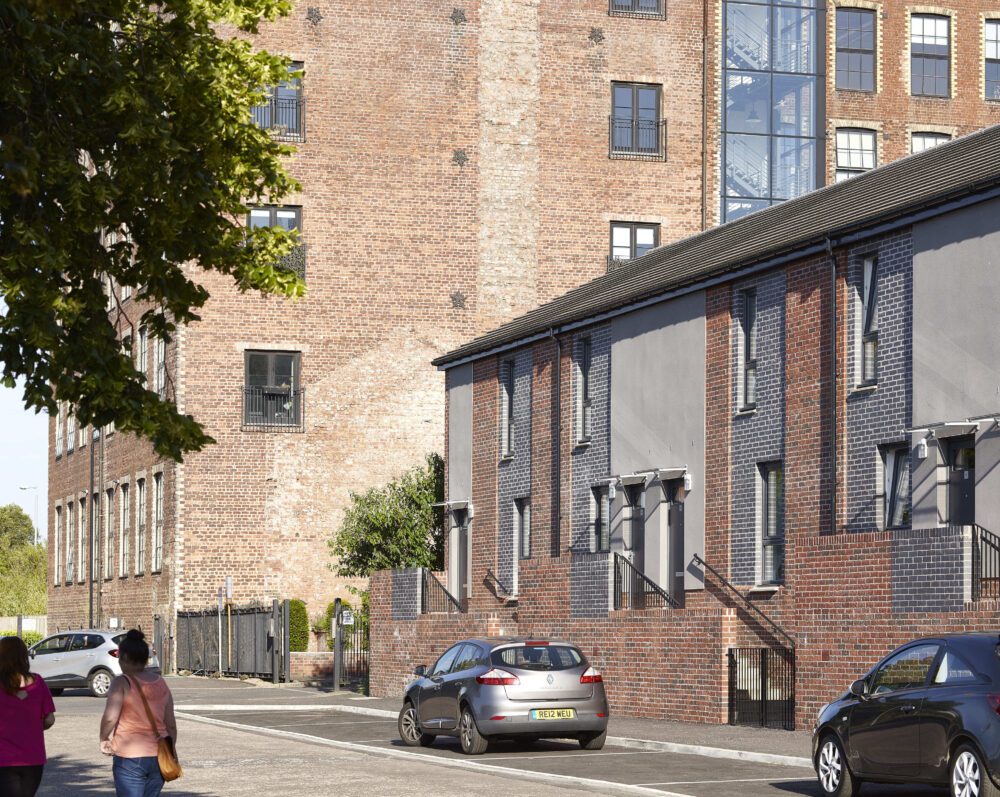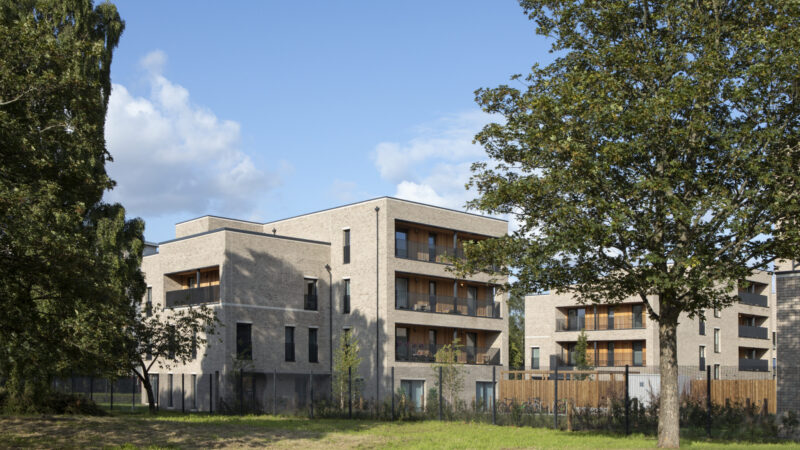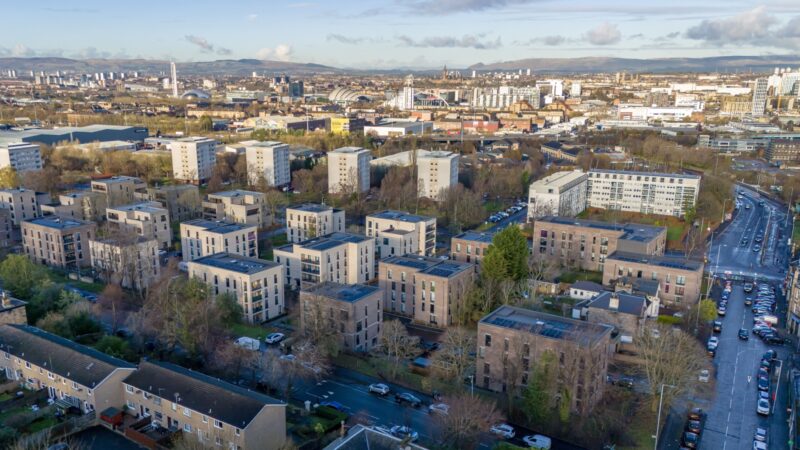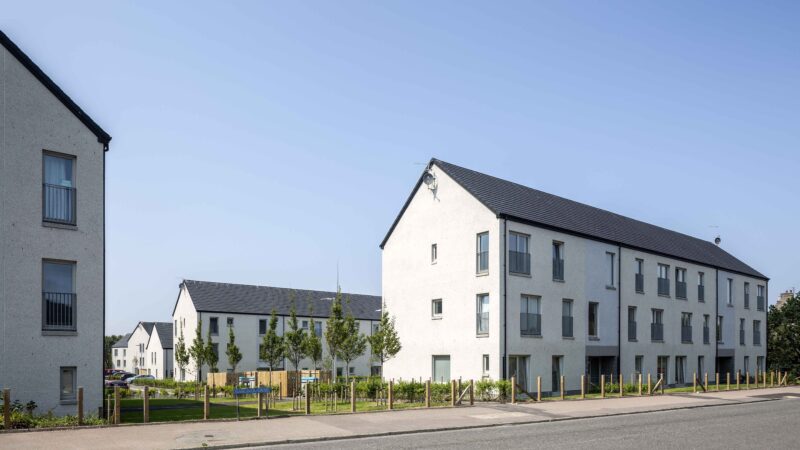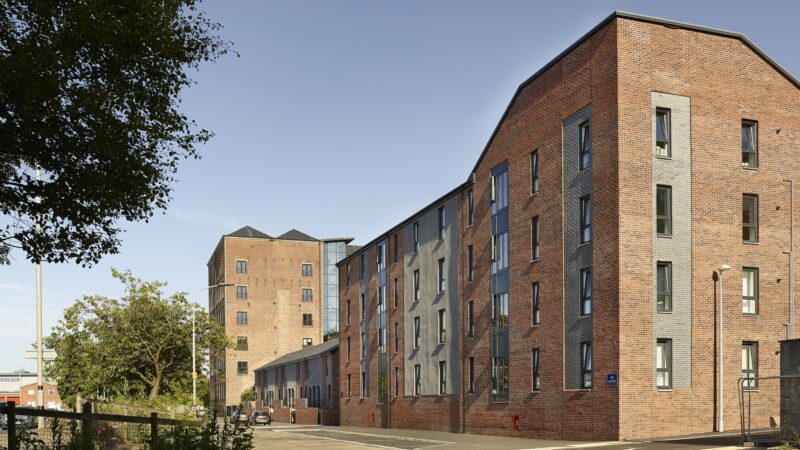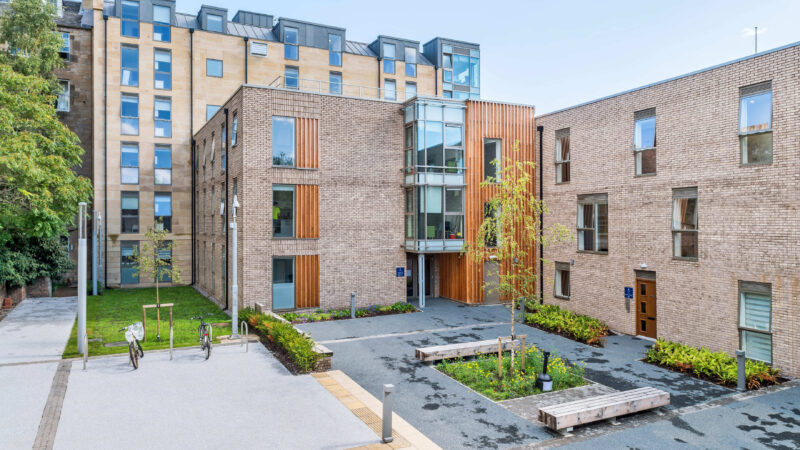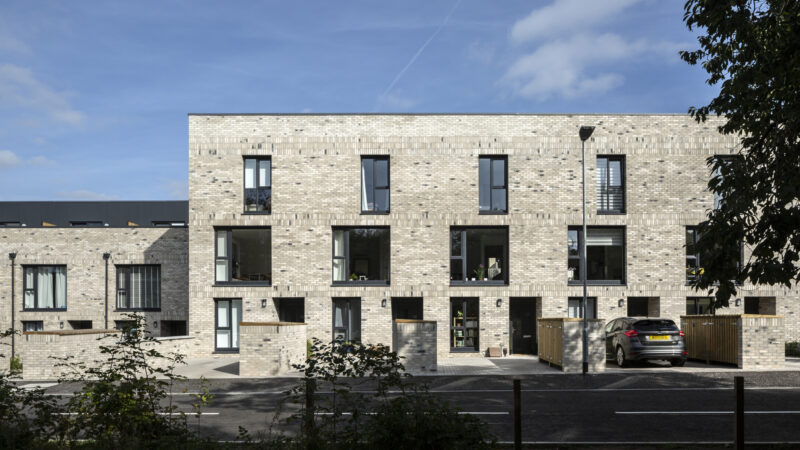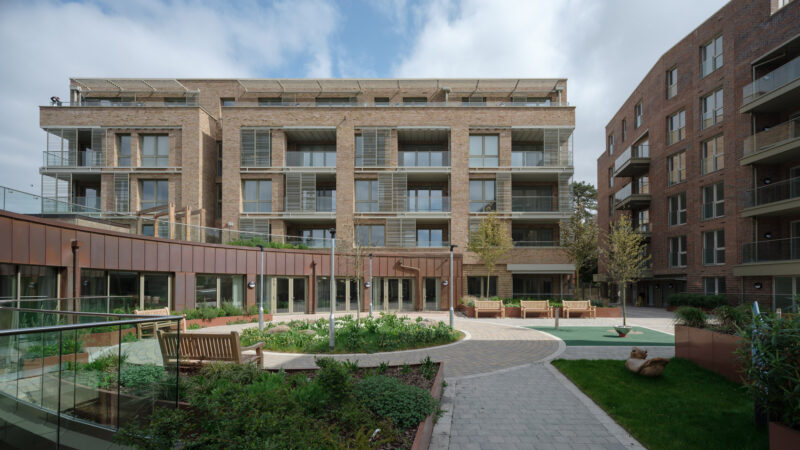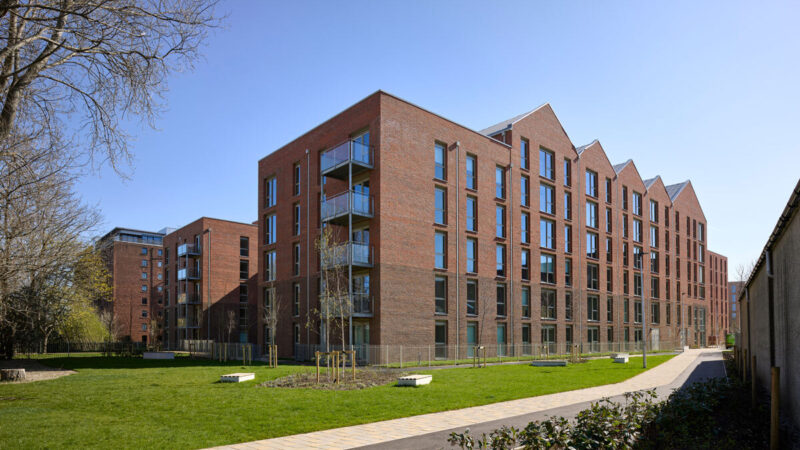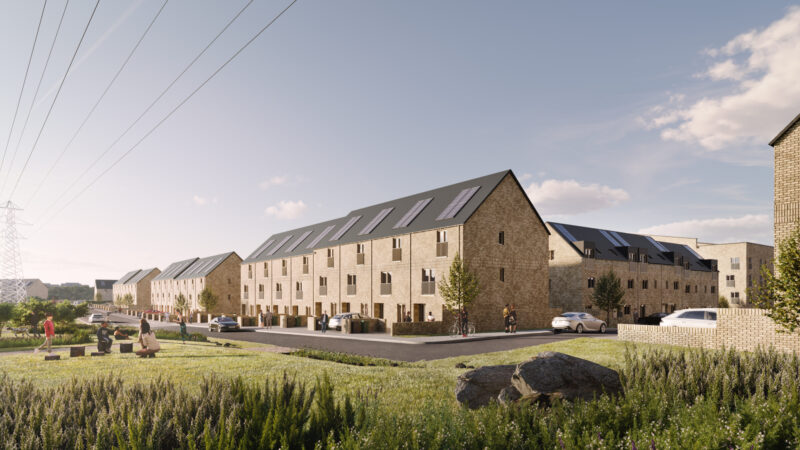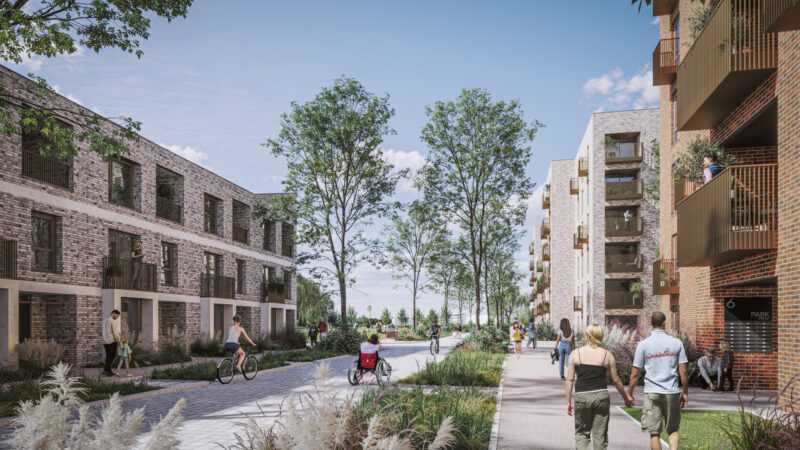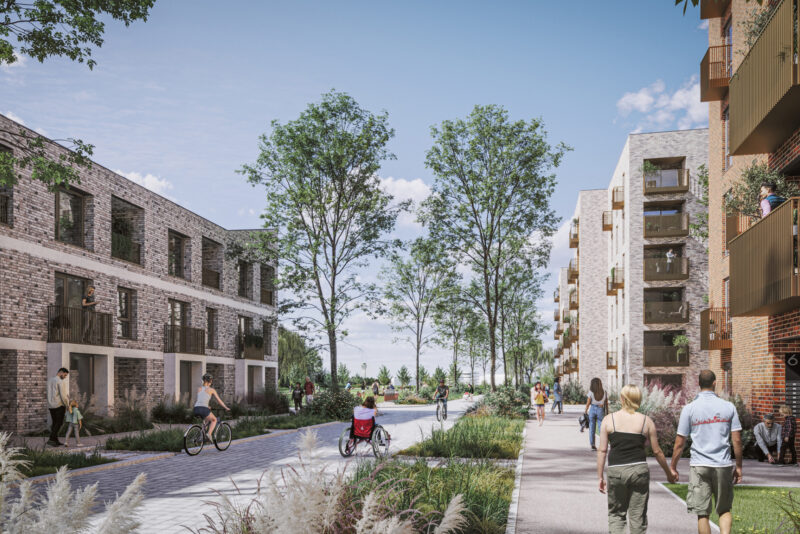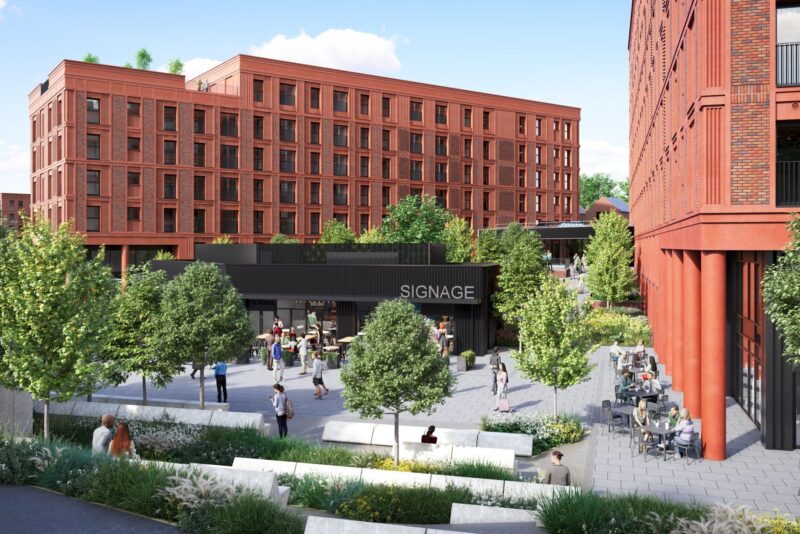




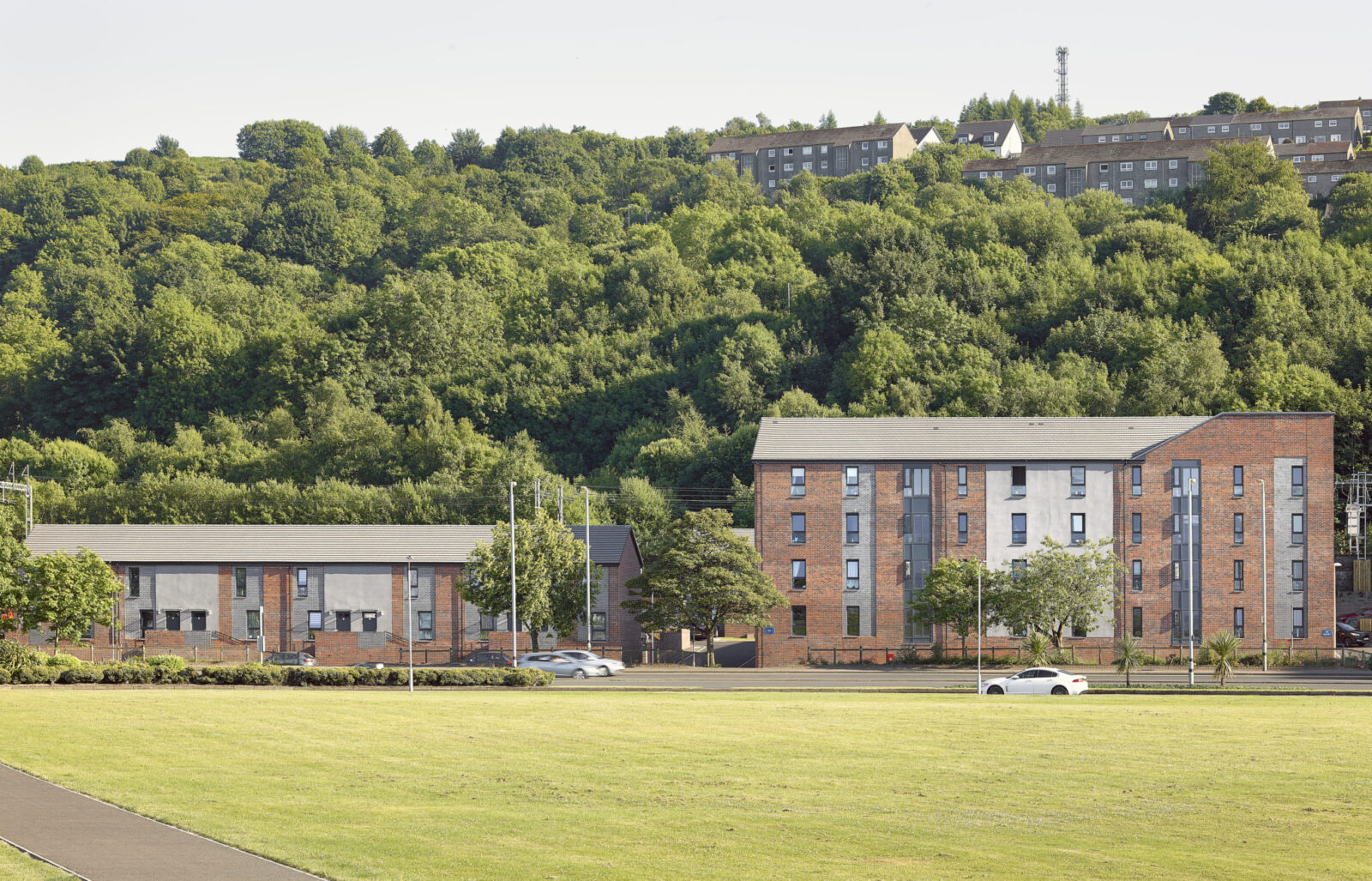

The masterplan takes its cues from the pattern of development that historically occupied the site. Buildings are arranged to reinforce the edge of Bay Street, reinstating a clear street frontage and restoring a sense of enclosure that had been lost over time. This structured approach strengthens connections with surrounding streets and creates a legible residential environment that sits comfortably within the wider townscape. What was once a vacant and fragmented site is transformed into a coherent neighbourhood that reconnects with its context and contributes positively to the arrival experience into Port Glasgow.
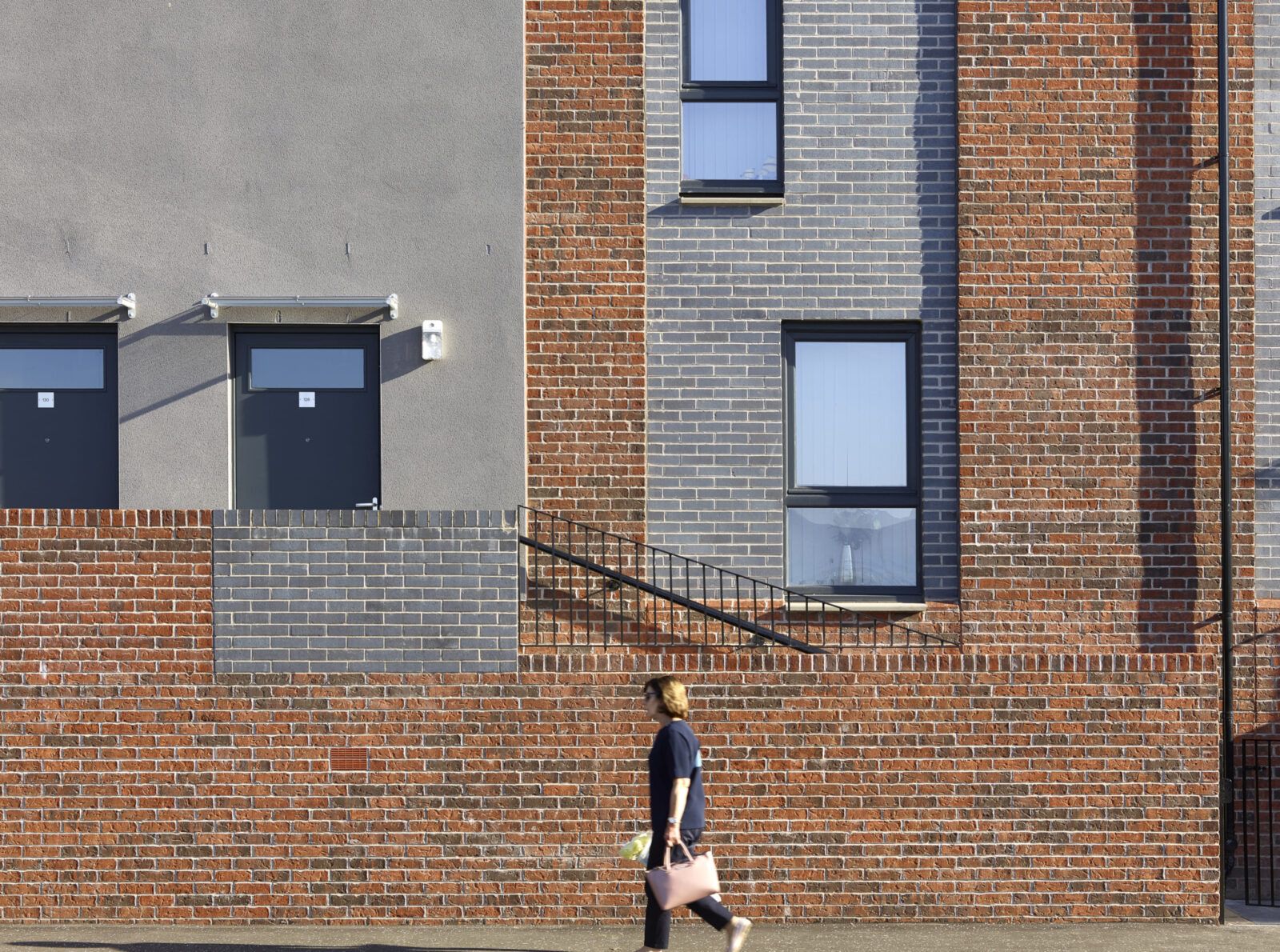
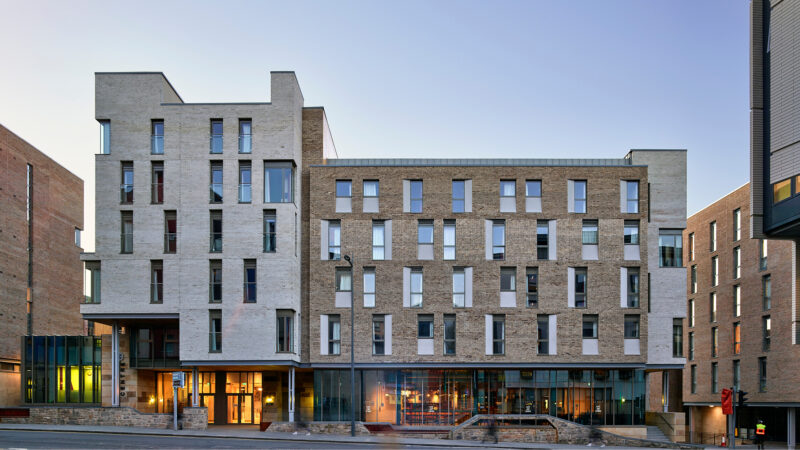
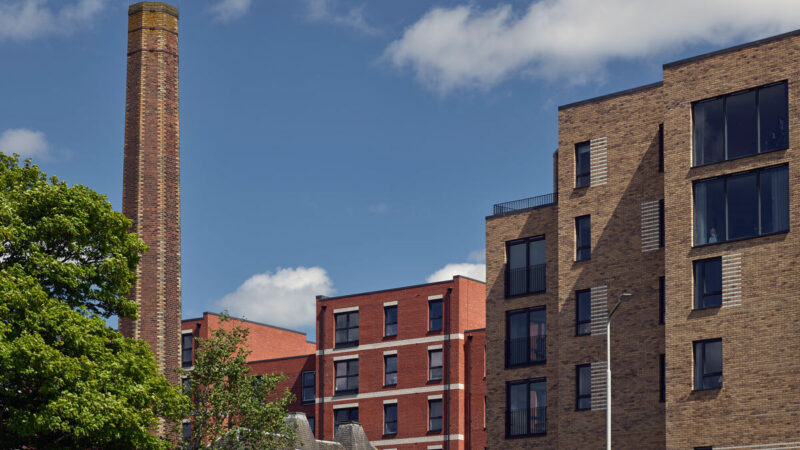
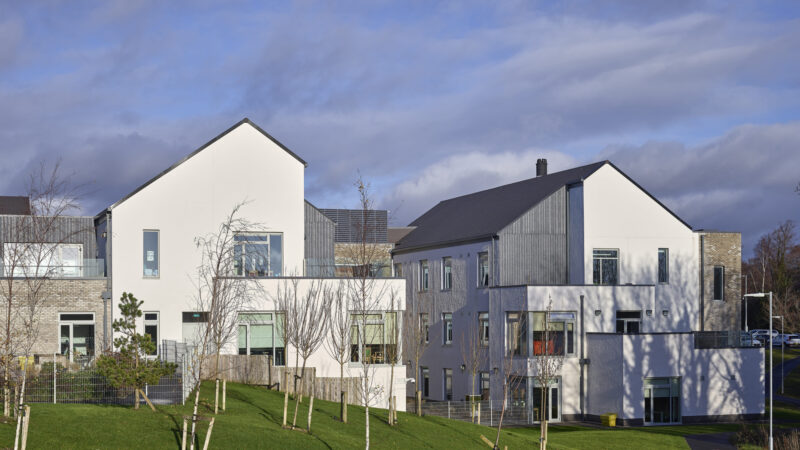
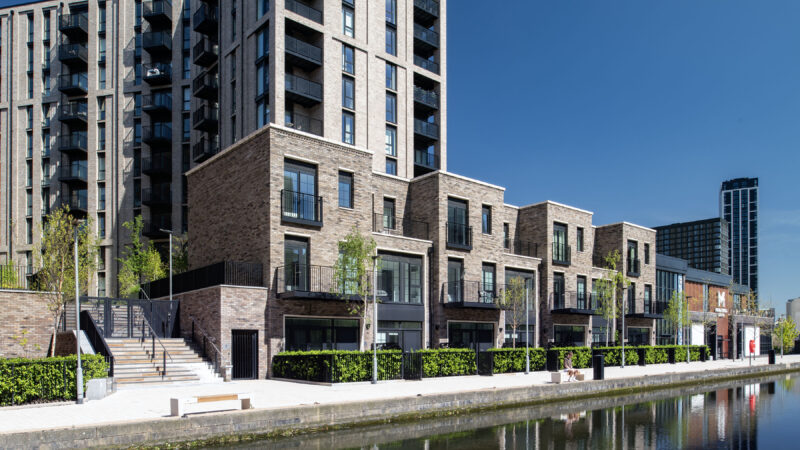
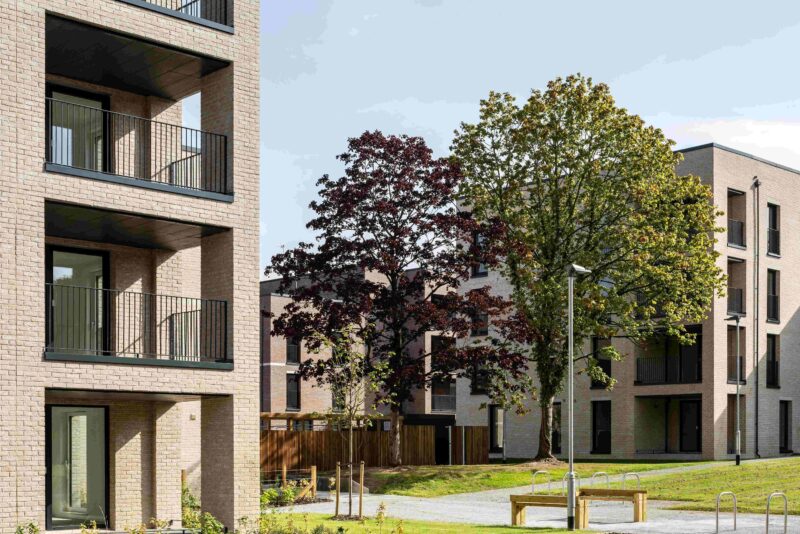
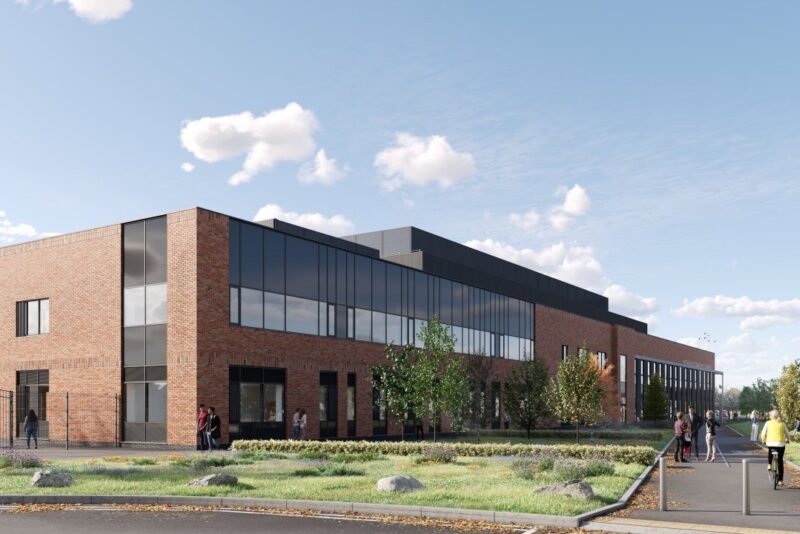
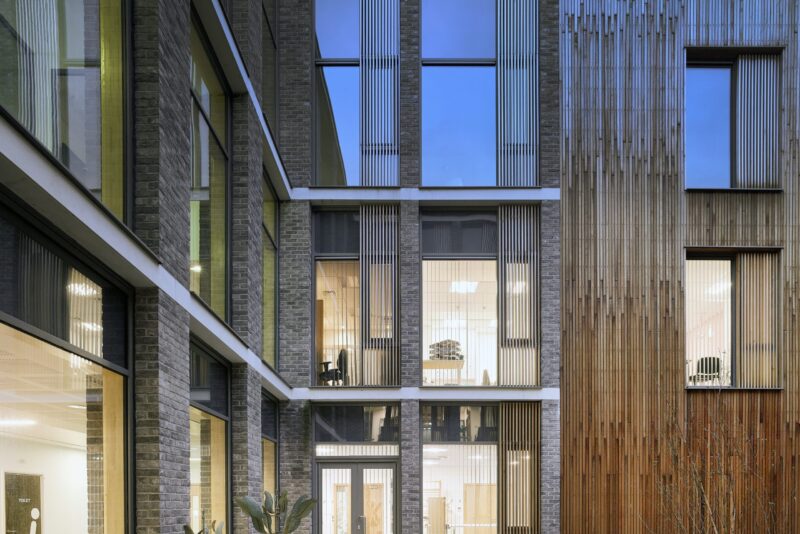
Architecture and materiality draw inspiration from the industrial character of the adjacent mill without attempting to replicate it. Simple building forms, a restrained palette of brick and render, and a consistent roofscape create a robust identity that complements the scale and rhythm of the historic landmark. Careful attention to proportion and detailing allows the new homes to establish their own character while ensuring the listed mill remains the dominant feature within the wider composition.
As a mixed-tenure affordable housing development, Bay Street supports a broad range of residents while contributing to local housing provision and wider regeneration objectives. The project demonstrates how thoughtful urban design can respond to heritage, strengthen neighbourhood identity and bring new life to a challenging brownfield site. Through the restoration of a lost streetscape and the creation of high-quality homes, the development establishes a lasting addition to Port Glasgow's evolving townscape.