Part of Hampden’s Story — jmarchitects
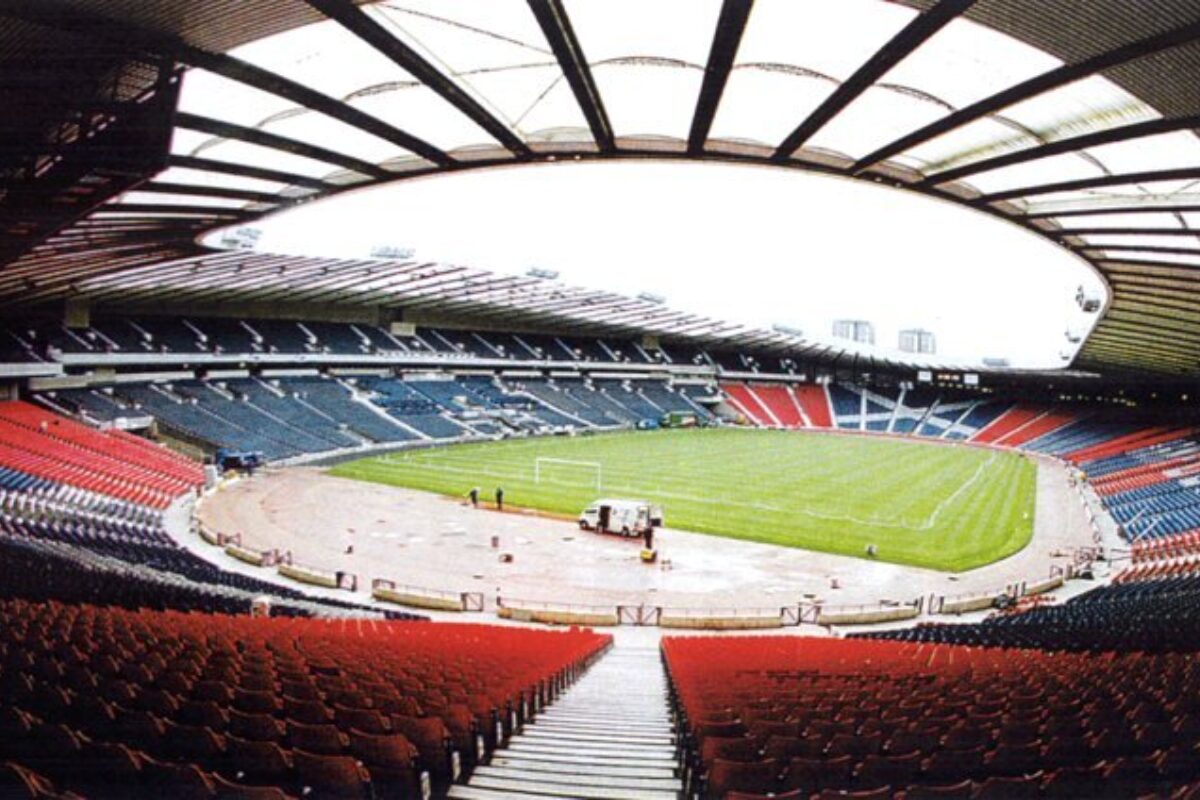
From the roar of 149,350 spectators in 1937 for Scotland vs. England, to record-breaking European nights, Hampden is far more than a name — it’s where football history has been made.
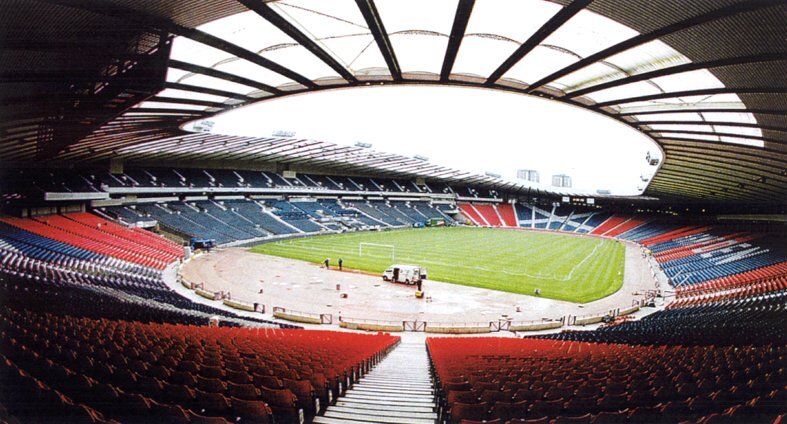
From the roar of 149,350 spectators in 1937 for Scotland vs. England, to record-breaking European nights, Hampden is far more than a name — it’s where football history has been made.
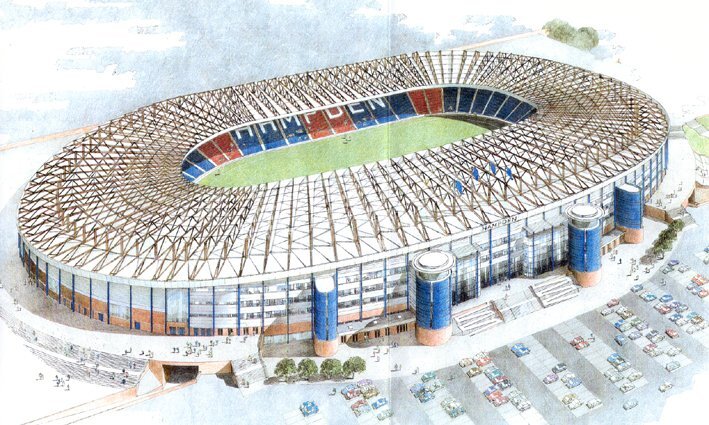
At jmarchitects, we are proud to have played a role in continuing that legacy. Our design and development of the national stadium in 2000 secured Hampden’s place at the forefront of international football, creating a modern venue capable of hosting the game at its highest level.
The original stadium at Crosshill, now recognised with Scheduled Monument Status, holds a unique place in the game’s evolution. As the world’s first purpose-built international football stadium — and, at its peak, the largest globally — it shaped how football was played, watched, and experienced. Generations gathered here, contributing to a legacy that extends well beyond Scotland and into the foundations of the modern game.
As well as Hampden, our lineage in stadia design spans landmark projects from McDiarmid Park (the UK’s first purpose-built all-seated stadium), the transformational Celtic Park and more recently the Peninsula Stadium for Salford City, delivering a contemporary ground tailored to the ambition of a growing club.
With Scotland returning to the FIFA World Cup in 2026 for the first time since 1998, attention once again turns to Hampden and its enduring significance. Few venues maintain such a direct connection between the origins of the modern game and its contemporary stage.
Sporting infrastructure is never only about sport—it’s where national identity and shared memory live, evolving over time while carrying the stories that define them. With that, we wish Scotland every success at the 2026 FIFA World Cup.
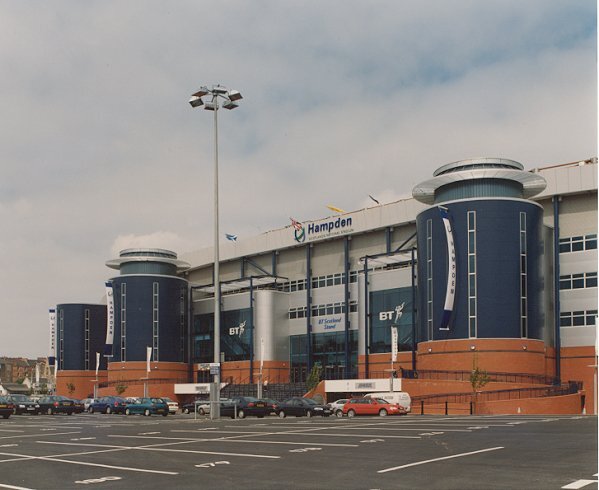
Credit: Paul Smith, jmarchitects