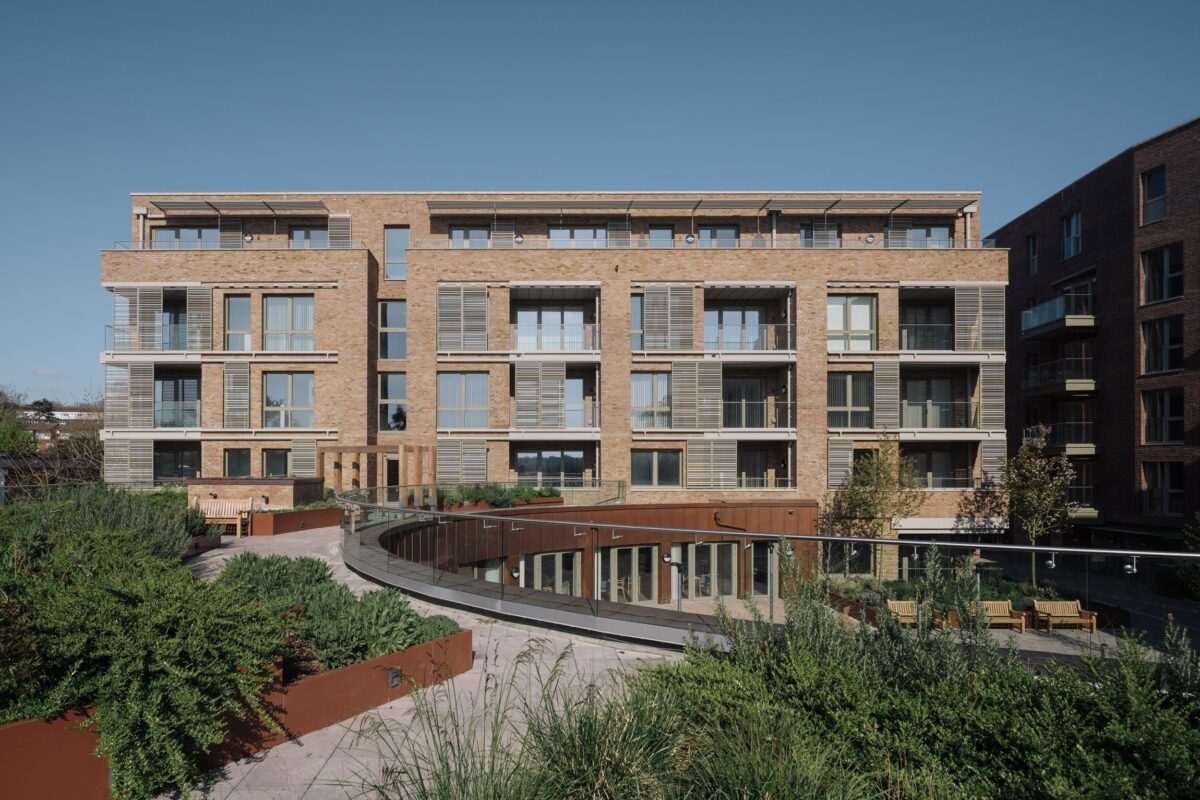
Alton Road using Contrasol Solar Shading to mitigate the London heatwave.
As London experiences another intense heatwave, the Alton Road development highlights how architecture is increasingly being shaped by climate resilience. Designed with sustainability and occupant comfort in mind, the scheme incorporates Contrasol Solar Shading as a key response to rising urban temperatures.
In response to the climate emergency passive cooling strategies are moving to the forefront of architectural design. The current heatwave underscores this urgency, as buildings designed primarily to retain heat in winter often struggle during prolonged summer temperature spikes.
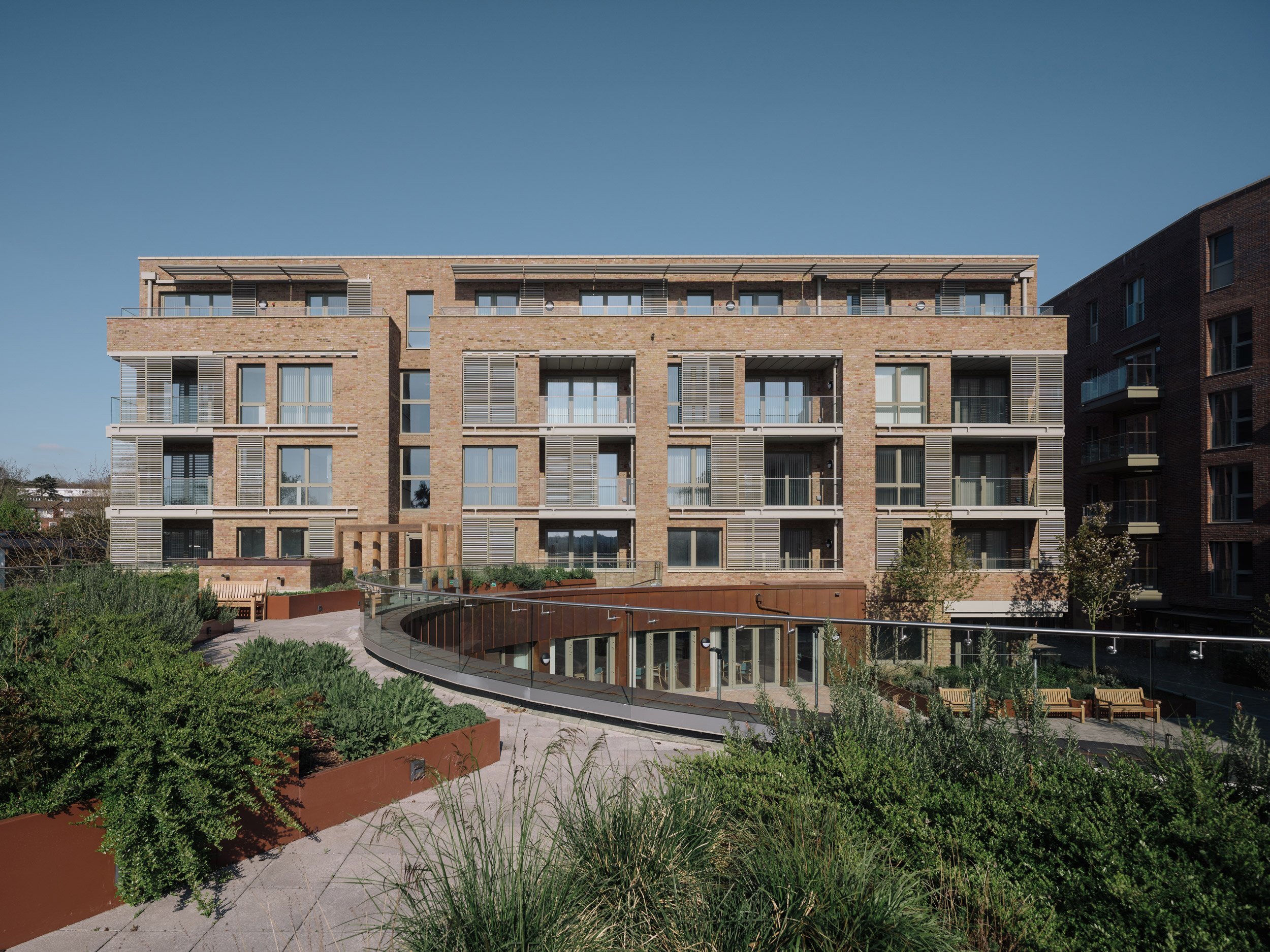
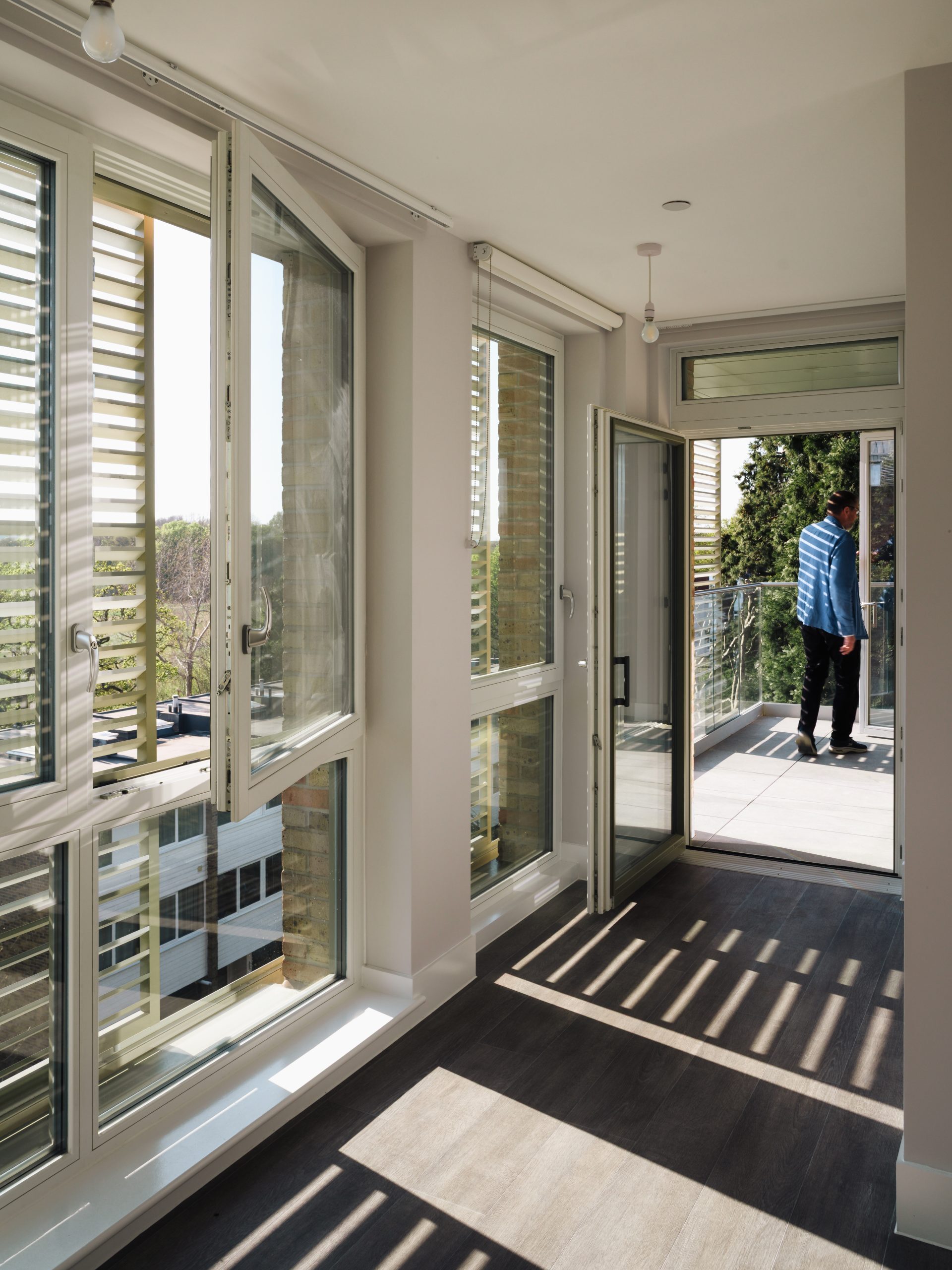
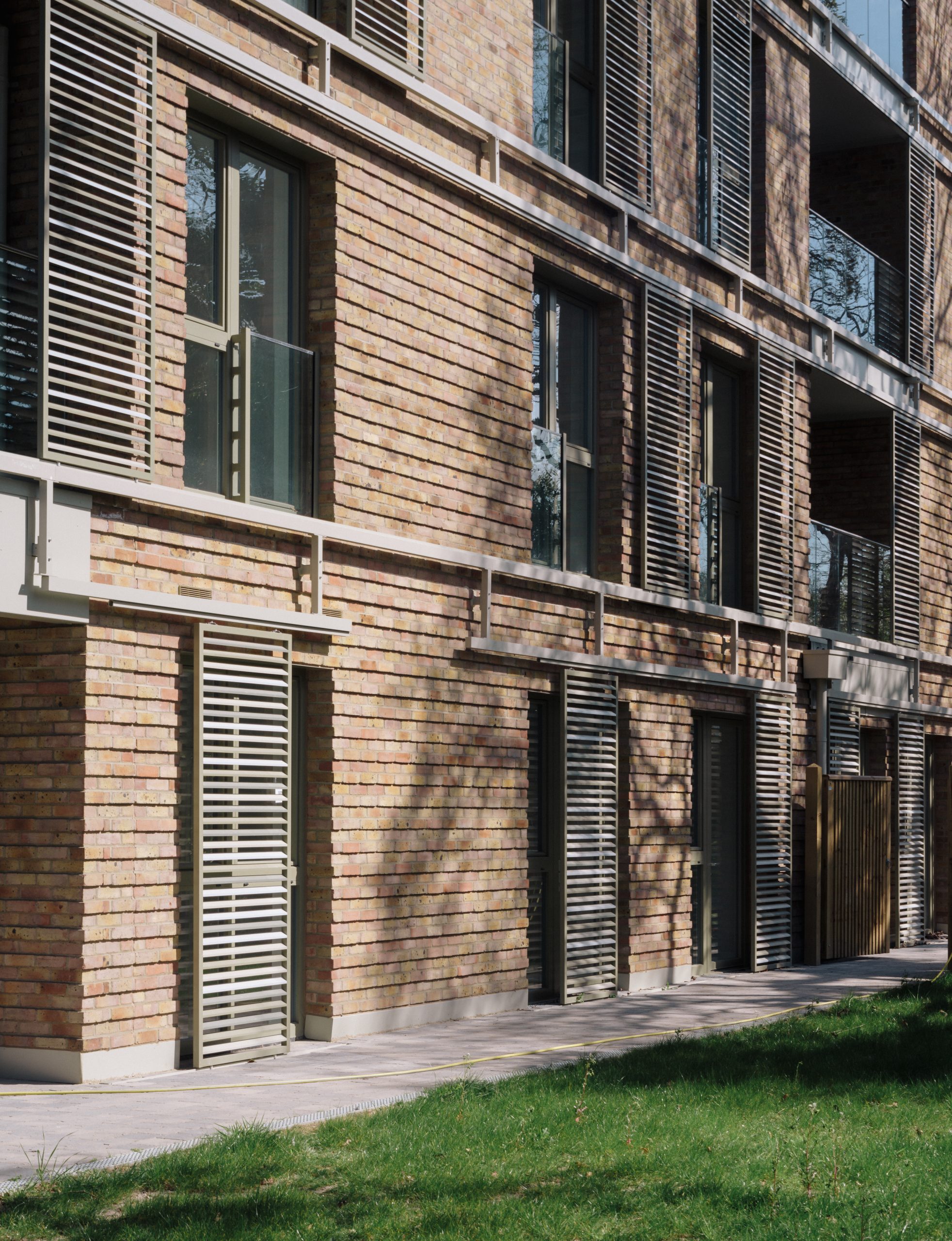
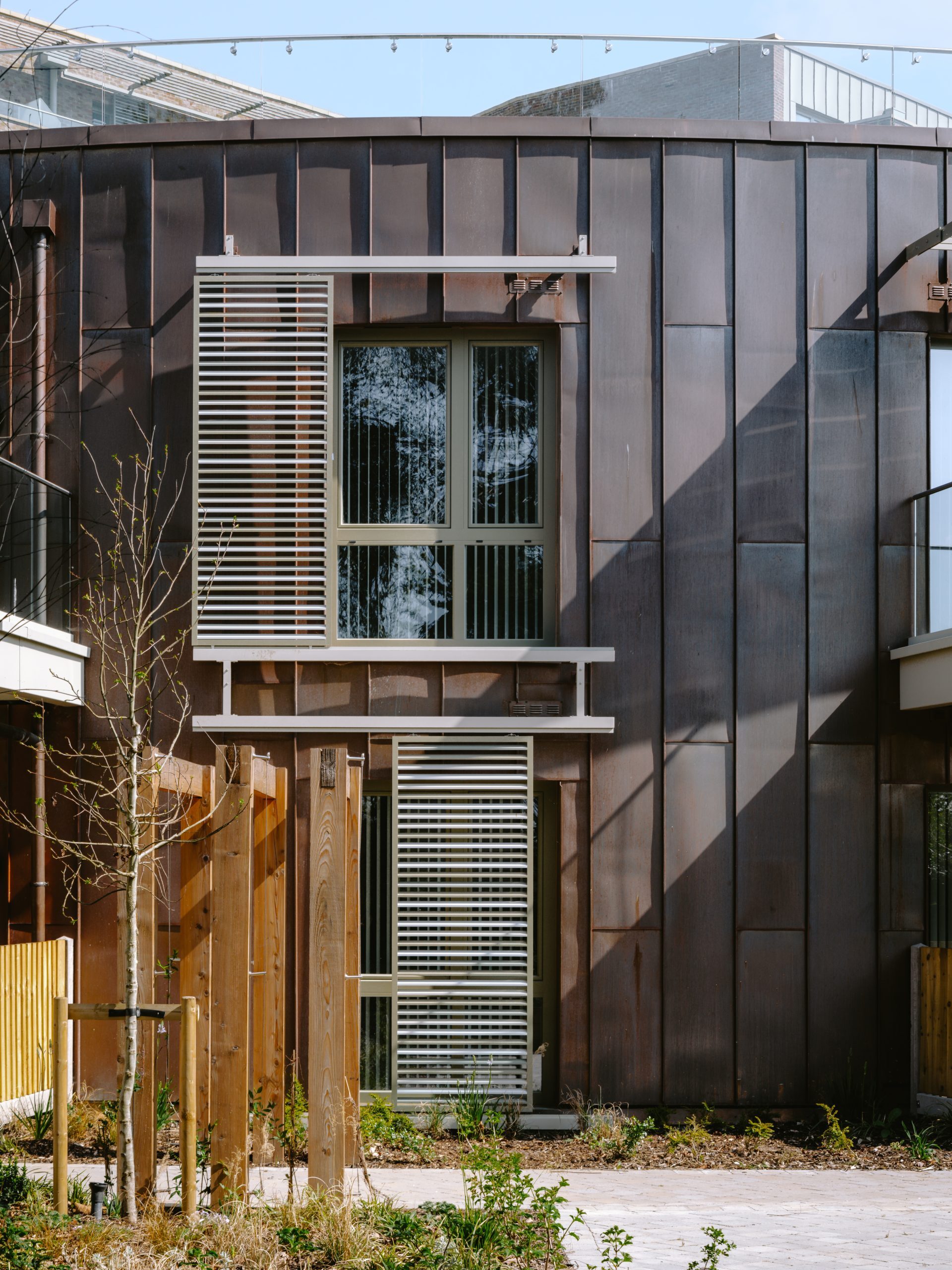
At Alton Road, the Contrasol system provides an effective external shading solution, reducing solar gain by intercepting direct sunlight before it reaches glazed façades. This helps maintain cooler internal temperatures, improves resident comfort, and reduces reliance on mechanical cooling systems such as air conditioning.
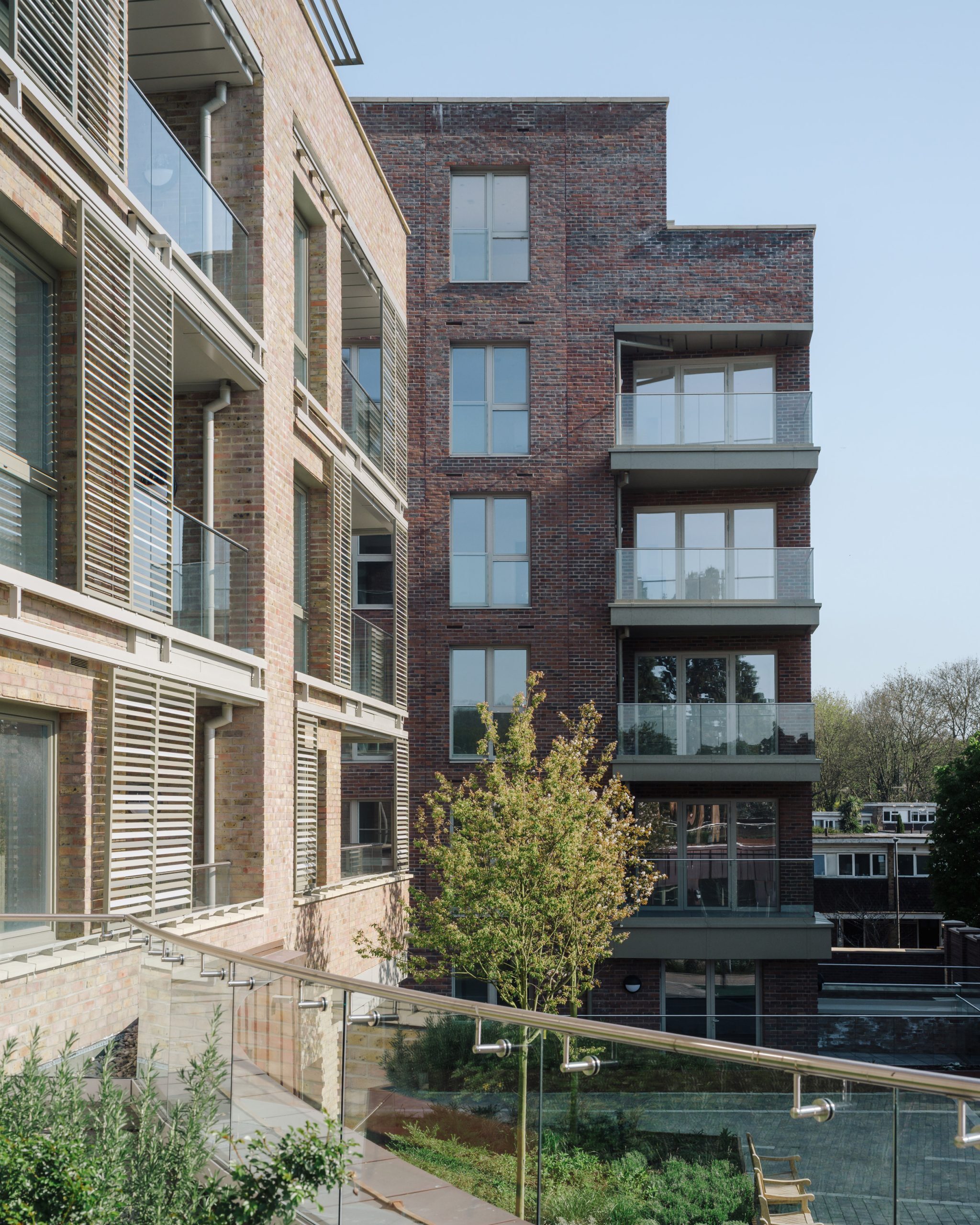
The solar shading is installed on the south and westerly facades where the solar gain is greatest. Designed for ease of use by elderly residents, the aluminium screen slide on runners, allowing residents to adjust the positioning to their needs. The screens provide an irregular pattern across the facade, but paradoxically they help to maintain order as they control the view of what rests behind the facade.
Beyond its environmental performance, Contrasol also contributes to the building’s architectural identity. The sleek horizontal shading elements add depth and rhythm to the façade, creating a contemporary visual language that reflects both design ambition and practical performance.
The Alton Road development demonstrates a wider industry shift: climate adaptation is no longer optional. Solutions such as Contrasol brise soleil show how architecture can respond proactively to a warming city, delivering buildings that are both sustainable and future-ready.
Photography / Imagery Credit: Tim Crocker
Credit: Alan Benzie, jmarchitects